


경희대학교 후마니타스칼리지와 실천교육센터는 유네스코 마하트마 간디 지속가능발전 및 평화교육연구소(UNESCO MGIEP)와 공동으로 글로벌 청년 리더 양성 프로그램(UNESCO MGIEP Youth Fellowship: Leadership for Peace and Sustainability)을 7월 2일부터 11일까지 운영했다. 인도의 30세 미만 청년 15명이 세계시민으로서의 역량을 강화하고 복합위기에 처한 현대사회에 대응하기 위해 이번 연수에 참가했다.
세계시민교육, 평화, 지속가능한 발전, 디지털 민주주의, 빈곤과 주거, 이주와 다문화 등의 주제를 중심으로 기조 강연, 워크숍, 현장 탐방 등 다양한 프로그램에 참여한 결과와 한국사회를 바라보는 인도 청년의 기록 5편을 <프레시안>에 기고한다.
평화와 지속가능성, 그리고 좋은 사회를 만드는 데는 무엇이 필요할까. 그 질문을 품은 채 나는 한국을 찾았다. 오늘날 한국을 이 자리까지 이끈 원동력은 무엇이었을까? 지금의 시스템은 누구를 위해 만들어졌고, 그 과정에서 누구는 소외되었을까? 눈에 보이는 질서 뒤에는 어떤 권력 구조가 작동하고 있을까? 한국의 경제는 사회를 어떻게 만들어 왔으며, 사회는 다시 경제를 어떻게 변화시켜 왔을까? 나는 한국 사회와 경제를 이루는 구조뿐 아니라, 세월 속에서 묵묵히 그것을 만들어 온 사람들에게서 배우고 싶었다. 그리고 모두가 이야기하는 눈부신 성장과 잘 갖춰진 인프라 너머에서, 평화롭고 지속 가능하며 잘 다스려지는 사회의 진짜 모습을 직접 보고 싶었다.
한국의 지속가능성과 폐기물 관리 시스템에 관한 자료부터 서울과 안산에서 진행된 교육 프로그램에 이르기까지, '경희대 후마니타스칼리지 - 유네스코(UNESCO) MGIEP 청년 펠로우십 프로그램(2026)'은 나의 사고방식과 존재 방식을 완전히 바꾸어 놓았다. 기조 강연, 현장 방문, 그리고 그 사이사이에 나눈 비공식적인 대화와 함께 열흘 간의 한국 생활은 내게 그런 변화를 가져다 주었다. 다음은 내가 배우고 경험한 문화적 차이와 앞으로 내 업무에 적용하고자 하는 몇 가지 교훈이다.
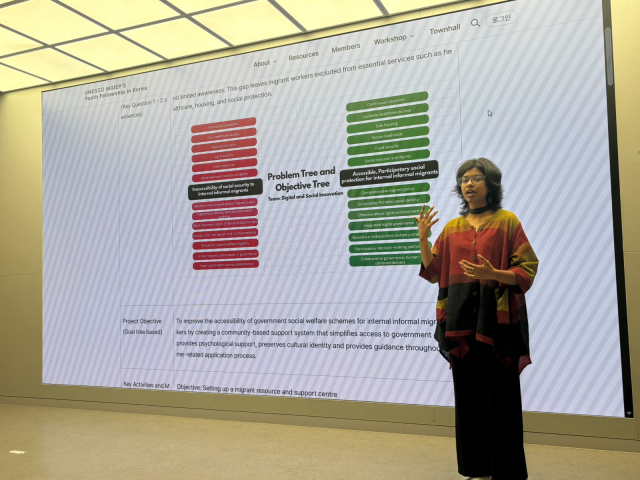
서울역 인근 동자동의 좁은 골목길을 걸으며, 쪽방에서 홀로 살아가는 노인들을 만났다. 냉장고와 에어컨 같은 기본적인 가전은 갖추고 있었지만, 그들의 삶은 여전히 불안정했다. 그 모습을 보며 눈에 보이는 소유가 곧 삶의 안정으로 이어지는 것은 아니라는 사실을 다시금 실감했다. 동시에 빈곤을 어떻게 정의해야 하는지, 그리고 그 기준은 나라마다 어떻게 달라지는지 스스로에게 질문하게 되었다. 동자동 주민들은 우리가 흔히 '기본적인 생필품'이라고 여기는 물건들을 갖추고 있었지만, 주거 불안과 가족 돌봄의 약화, 고령화로 인한 사회적 고립이라는 더 큰 어려움을 겪고 있었다. 무엇보다 인상 깊었던 것은 빈곤 자체보다 그것에 대응하는 방식이었다. 정부뿐 아니라 시민단체와 종교기관이 서로 협력하며 제도의 빈틈을 메우고 있었다.
이번 펠로우십에서 얻은 첫 번째 교훈은 좋은 제도만큼이나 중요한 것이 실행이라는 점이다. 동자동의 복지기관들은 도움이 필요한 사람들이 찾아오기만을 기다리지 않았다. 노숙인과 독거노인, 사회적으로 고립된 이들을 직접 찾아가 필요한 지원을 연결했다. 정책은 결국 사람을 만나야 비로소 작동한다는 사실을 배웠고, 이는 내가 인도에서 의회와 정책 업무를 수행하며 가장 먼저 적용하고 싶은 교훈이기도 하다.
동자동과 안산에서 공통적으로 확인한 것은 정부와 시민사회가 각자의 역할을 분명하게 나누면서도 긴밀하게 협력하는 구조였다. 행정이 닿지 않는 영역은 NGO와 종교단체, 지역 언론이 자연스럽게 메우고 있었다. 시민사회는 정부와 대립하는 존재가 아니라 국가의 행정력을 보완하는 중요한 파트너였다. 이번 경험을 통해 인도에서도 시민사회의 역할을 더욱 적극적으로 인정하고, 복지와 공공서비스의 최전선에서 협력할 수 있는 기반을 넓혀야 한다는 확신을 갖게 되었다.
또 하나 깊은 인상을 받은 것은 누구나 불편 없이 이동할 수 있도록 설계된 도시였다. 전동 스쿠터, 버스와 기차의 휠체어 예약 서비스, 점자 보행로, 음성 안내, 계단을 피할 수 있는 이동 경로까지, 한국의 교통 인프라는 장애 유무와 관계없이 모두가 존엄하게 이동할 수 있도록 세심하게 설계되어 있었다. 더욱 놀라웠던 것은 한국인들이 이러한 환경을 특별한 성과로 이야기하지 않는다는 점이었다. 그것은 자랑할 정책이 아니라 공공 공간이 마땅히 갖추어야 할 기본으로 받아들여지고 있었는데, 공공 인프라는 사람들의 일상 속에 자연스럽게 스며들어 있을 때 비로소 완성된다는 교훈을 배우게 되었다.
안산 다문화가족지원센터 역시 같은 맥락에서 인상적인 사례였다. 한 공간에서 언어교육과 보육, 진로 상담, 이주노동자를 위한 법률 지원을 함께 제공하며 이주민들이 경제와 지역사회에 안정적으로 정착할 수 있도록 돕고 있었다. 경제를 떠받치는 이들에게 그에 걸맞은 복지 인프라를 제공해야 한다는 원칙은 이주노동자의 비중이 높은 인도에도 중요한 시사점을 던져 주었다. 한국은 고령화와 외국인 주민 증가를 일시적인 현상으로 바라보지 않고, 변화하는 인구구조를 전제로 정책과 제도를 설계하고 있었다. 이러한 장기적인 거버넌스의 관점 역시 깊은 인상을 남겼다.
네 번째 교훈은 지속가능성은 거창하게 드러나는 것이 아니라 일상 속에 자연스럽게 스며들어야 한다는 점이었다. 지속가능한 도시를 연구하는 사람으로서 나는 성동구의 인프라에서 그런 모습을 발견했다. 스마트 버스정류장 쉼터는 태양광 에너지로 운영되며 냉난방과 충전 시설을 효율적으로 관리하고 있었고, 스마트 흡연부스 역시 태양광 기반 공기정화 시스템을 통해 화재 위험과 대기오염을 줄이고 있었다. 쓰레기 분리배출 또한 시민들에게 추가적인 부담을 요구하는 캠페인이 아니라 생활 속에 자연스럽게 자리 잡은 일상의 규범처럼 보였다. 한국에서 지속가능성은 정책 구호가 아니라 도시의 기반시설과 시민의 습관 속에 이미 녹아 있었다. 이를 보며 지속가능성은 정부만의 과제가 아니라 시민 한 사람 한 사람이 함께 실천해야 하는 삶의 방식이라는 사실을 새삼 깨달았다.
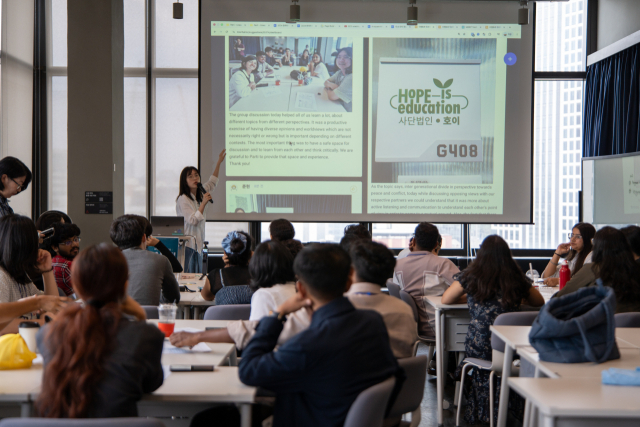
이번 펠로우십에서 가장 어려웠던 순간은 현장을 이해하는 일이 아니라 서로의 경험을 이해하는 일이었다. 한국의 동료가 들려준 분단의 현실과 해결되지 않은 정책적 한계를 마주하면서, 쉽게 답을 내리거나 논쟁으로 결론을 내릴 수 없는 질문들이 있다는 사실을 배웠다. 세계시민성과 상황적 리더십에 관한 세션 역시 같은 메시지를 전했다. 좋은 리더십은 먼저 말하는 능력이 아니라 먼저 경청하는 태도에서 시작된다는 것이다. 이 교훈은 뉴델리에서든 서울에서든, 그리고 어느 사회에서든 변함없이 중요한 가치로 남을 것이다.
이번 펠로우십을 통해 정책이 의도된 대상에게 도달하도록 돕는 라스트 마일 아웃리치(최종단계에서의 소통)와 제도적 조정이라는 정책 전달 메커니즘에 대해 더욱 관심을 갖게 되었다. 펠로우십을 통해 결론을 내리기 전에 경청하는 습관을 기르고, 문화 비교를 깔끔한 답을 찾는 도구가 아닌 더 나은 질문을 던지기 위한 도구로 활용하는 법을 이해하게 되었다. 이러한 경험은 펠로우십 이후에도 오랫동안 내 인생에서 중요한 역할을 할 것이라고 확신한다.
※ 아디티 베르마(Aditi Verma)는 정책 연구원이자 전 인도 국회의원 입법 보좌관(LAMP) 펠로우이다. 그녀는 지속가능한 거버넌스와 사회적 형평성의 교차점에서 연구 활동을 진행하고 있다.
Packing my Ideas and Learnings in the Suitcase from Seoul to Delhi
As someone curious about peace, sustainability, and what it takes to govern a society well, I went to South Korea with many questions. What principles have helped South Korea reach where it is today, who its systems have been built to serve, who they have left out? what power hierarchies sit beneath its visible order, and how its economy has shaped, and been shaped by, its society? I wanted to learn from this society, its economy, and the people who have quietly built it, generation after generation. And lastly, I wanted to see what a peaceful, sustainable, well-led society looks like beneath the infrastructure and glamour everyone knows about.
From reading about South Korea’s sustainability and waste management systems to the training programme at Seoul and Ansan, the UNESCO Youth Fellowship on Leadership for Peace and Sustainability has transformed me and my ways of thinking and being. My ten days in South Korea, along with the keynote sessions, field visits, and informal conversations in between, provided me with that chance. What follows are learnings and cultural contrasts that have stayed with me, and some takeaways I intend to carry into my work.
In Dongja-dong, near Seoul Station, walking through alleys where elderly residents lived alone in single rooms, some even with a refrigerator or air conditioner, yet clearly insecure, I was reminded that visible possessions say very little about actual security. It made me question how we define poverty and how the meaning changes in different countries. I observed that despite having what we consider ‘basic necessities’, they struggled with housing stability, weakening family support, and social isolation compounded by an aging population. What was more instructive than the poverty itself was the response built around it. NGOs and religious organizations are working alongside government outreach workers to collectively fill in the gaps.
My first key takeaway from the Fellowship is that delivery is as important as design. The services in Dongja-dong that actively find the homeless, elderly, and isolated, rather than waiting for them to navigate a form, demonstrate the value of proactive outreach. For me, this is the single most transferable lesson for the parliamentary and policy work I do at home.
The clearest institutional model I saw in Dongja-dong and again in Ansan was one where alongside government infrastructure the NGOs, religious groups, and community media filled specific, well-defined gaps. Civil society was not treated as an oppositional force to be managed but as essential connective tissue, trusted with outreach that the State itself may not always be able to deliver. My second biggest learning was that civil society, and its role deserve more attention in India and better partnership opportunities for last-mile delivery and citizens’ welfare.
Next, electric mobility scooters, wheelchair reservations on buses and trains, and accessible subway infrastructure including tactile paths, audio announcements, and step-free routes as the default help ensure a dignified commute for all. Seeing how unremarkable all of this seemed to the people around me, and nobody pointed to it as an achievement or a special initiative, reinforced that this was simply how public space had been built, and should be built, one of my other most significant learnings.
Ansan’s Multicultural Family Support Centre offered a related example. Here, a single space combining language classes, childcare, career counselling, and legal support for migrant workers provided a dignified entry point for the migrant population into both the economy and society. The principle that people who sustain an economy deserve dedicated welfare infrastructure is pertinent for us in India, which too has a huge migrant labour force. In South Korea, I witnessed a governance culture responsive to how its population is changing - designing for an ageing citizenry and a growing foreign-resident population rather than treating demographic shifts as temporary.
My fourth biggest takeaway was that sustainable design was often embedded rather than announced. As someone working towards sustainable cities, I paid close attention to what ran quietly in the background of Seongdong-gu’s infrastructure. The smart shelters were solar-powered, and their heating, cooling, and charging points were managed without additional burden on the grid load. The smart smoking booths used the same solar-driven filtration systems to control airflow and reduce both fire hazards and ambient pollution. Waste segregation, similarly, was not treated as a citizen add-on but as basic civic infrastructure and an innate way of life that made it feel less like a campaign and more like a norm. For a country I had first studied through its waste management systems, seeing sustainability folded so unobtrusively into homes, habits and everyday infrastructure was itself a takeaway not just as a policy issue but also something I resolved to practice myself.
Lastly, the hardest moments of the Fellowship were not logistical but conversational. Sitting with a Korean peer’s account of unresolved division, or an unanswered question about a policy’s limits, without rushing to argue it into resolution or letting it pass unexamined. Leadership, as it was framed to us through the sessions on global citizenship and situational leadership, depends on our capacity to listen first and respond second. This is a lesson as relevant in New Delhi as in Seoul, and any other place.
This Fellowship has sharpened my interest in the mechanics of delivery - the last-mile outreach and institutional coordination which help ensure that a policy reaches those it was drafted for. Through the Fellowship, I have developed a more disciplined habit of listening before concluding and treating cultural comparison as a tool for asking better questions rather than for arriving at tidy answers. Both, I am sure, will matter far beyond this Fellowship.
※ Aditi Verma is a policy researcher and former LAMP fellow. She works at the intersection of sustainable governance and social equity.


전체댓글 0